
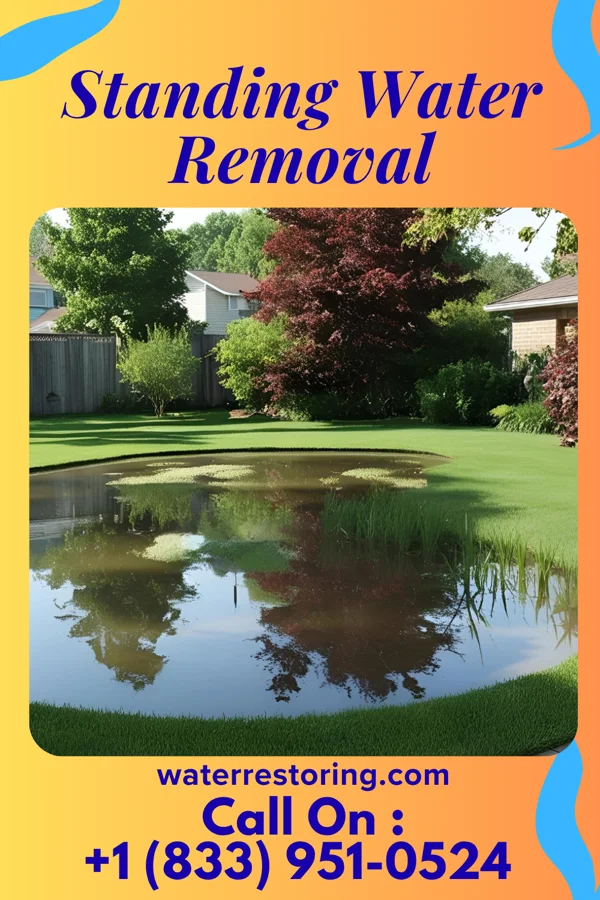
Plainview Standing Water: What Owners Should Know
Residential or commercial, water damage emergencies in Plainview keep coming back to the same drivers. In Plainview, Nebraska, the primary water damage cause is often due to burst pipes, particularly during colder months when frozen pipes can rupture. Additionally, heavy spring rains and snowmelt can lead to flooding in low-lying areas near the Niobrara River. These events are common in the rural setting of Plainview. sits at the top of the list. A close second is Secondary causes include leaking roofs, especially in older homes with damaged shingles, and groundwater seepage into basements of homes built on unstable soil. Agricultural runoff from nearby farmland can also contribute to localized water issues..
Plainview experiences a continental climate with cold winters and hot summers, which increases the risk of frozen pipes and sudden thawing that can lead to water damage. The area is also prone to flash flooding during spring storms, which can overwhelm drainage systems.
Water damage in Plainview follows a few local patterns. In Plainview, Nebraska, the primary water damage cause is often due to burst pipes, particularly during colder months when frozen pipes can rupture. Additionally, heavy spring rains and snowmelt can lead to flooding in low-lying areas near the Niobrara River. These events are common in the rural setting of Plainview. accounts for the bulk of our calls. Plainview experiences a continental climate with cold winters and hot summers, which increases the risk of frozen pipes and sudden thawing that can lead to water damage. The area is also prone to flash flooding during spring storms, which can overwhelm drainage systems. Mold growth in Plainview can occur rapidly due to the region's fluctuating temperatures and humidity levels. Prompt action is crucial to prevent health risks and structural damage, especially in rural homes with limited ventilation.